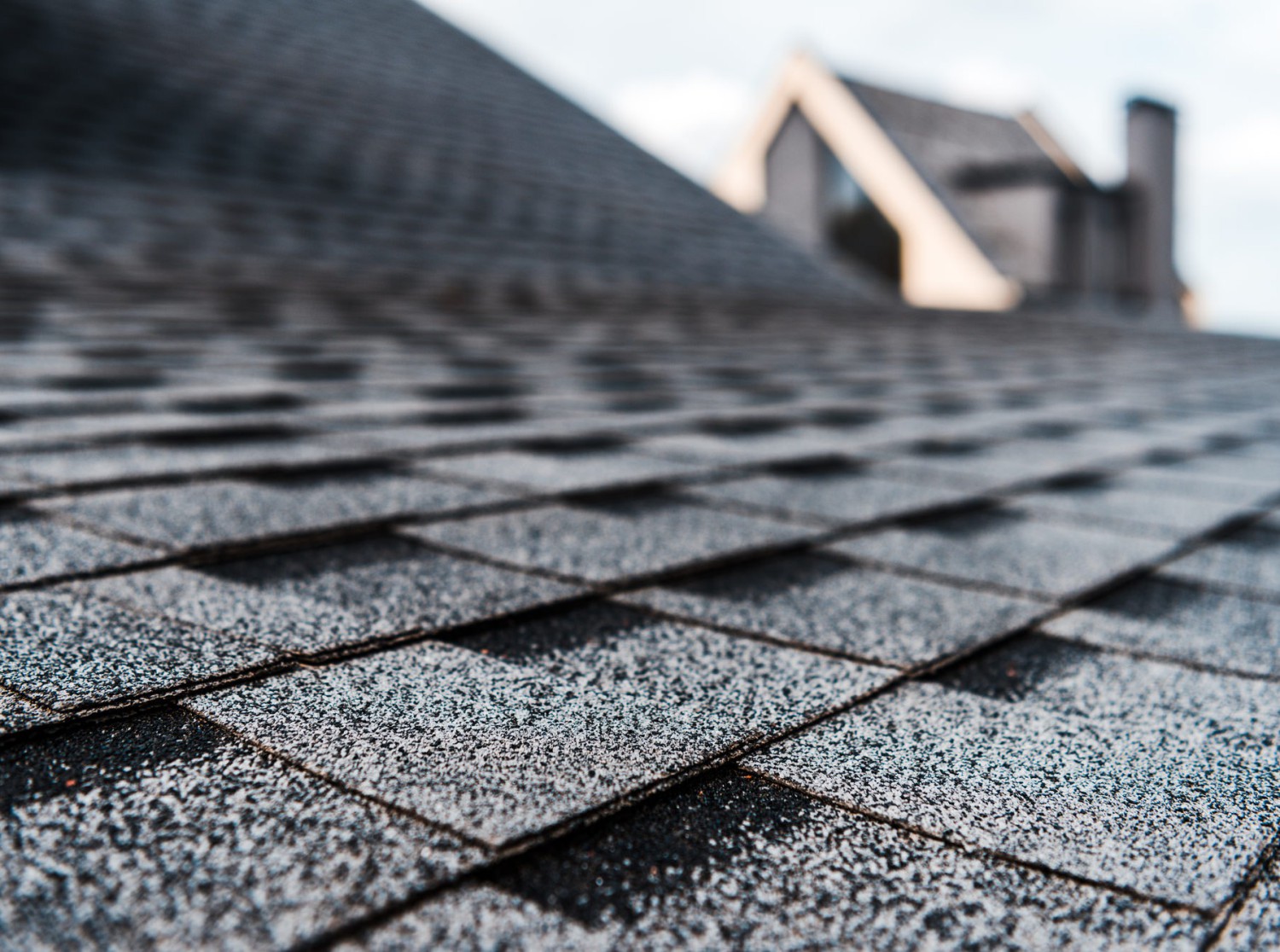
A house’s roof is one of its most important components. It’s the first line of defence against rain, snow, wind, and temperature fluctuations. Despite this, the roof is often neglected… until a problem arises.
As homeowners, we don’t always think to check its condition! And sometimes, we simply aren’t sure how to go about it.
Regularly Inspect Your Roof
Firstly, you should carry out a visual inspection at least twice a year, ideally in spring and autumn.
This allows you to spot signs quickly of wear and tear, such as
- cracked, curling, or missing shingles;
- debris build-up.
It’s also a good idea to check the roof’s general condition after a rainstorm, strong winds, or a hailstorm.
Keep an Eye Out for Signs of Water Infiltration
However, a visual check alone isn’t enough. Some roof problems can’t be seen from the outside. Inspecting the attic occasionally can reveal evidence of water damage, such as stains, mould, or damp insulation.
These indications should be taken seriously, as they often mean the issue has already progressed to an advanced stage and could worsen rapidly.
Carry Out Small Repairs Promptly
Water is, in fact, considered one of a roof’s greatest enemies and infiltration can cause significant damage to the structure if not dealt with rapidly. A missing shingle or a small crack may seem harmless, but these little flaws can quickly develop into major leaks.
Acting immediately often helps to avoid much more expensive repairs in the long run.
Keep the Gutters Clean
Gutters play a vital role in directing rainwater away from the roof. When they become blocked by leaves, twigs, or other debris, water can overflow and seep under the roofing materials.
Whether cleared out manually or using specialist equipment, maintaining your gutters helps reduce the risk of water infiltration and protect the roof’s structure. Do mature trees that shed large quantities of leaves surround your house? You may need to clean your gutters twice a year. If this is not the case, do so as and when necessary!
Here’s a tip! You can also install permanent systems on your gutters (such as grille covers or filters) to prevent most of the leaves from getting in.
Prune Any Branches That Are Too Close to the Roof
Additionally, trees near the house can harm the roof if their branches rub against the shingles or break off in strong winds. They can also contribute to the build-up of leaves and moisture.
Maintaining a safe distance between trees and the roof helps to avoid premature wear and tear and minimizes the risk of material damage. So, cut back any branches that are causing a problem!
Ensure the Attic Is Well Ventilated
Although modern houses are generally built to strict standards, attic ventilation remains a crucial factor in roof longevity.
A poorly ventilated attic can
- lead to increased humidity;
- encourage condensation;
- accelerate the deterioration of materials.
In winter, this can also contribute to
- ice dam formation.
In summer, excess heat can
- prematurely age the shingles.
To ensure your attic is adequately ventilated, you should have a specialist company visit your property to perform an inspection.
Seek Professional Help If Necessary
Although homeowners can perform certain checks themselves, a professional inspection every few years is strongly recommended. An expert can identify problems that elude the untrained eye and suggest preventative measures.
It’s an investment that can significantly extend the life of the roof.
All in all, a little forethought today can save you a lot of money tomorrow!